
Metformin
Welcome back to the blog! If you have been following the longevity space over the last few years, you have undoubtedly heard one medication mentioned more than almost any other: Metformin.
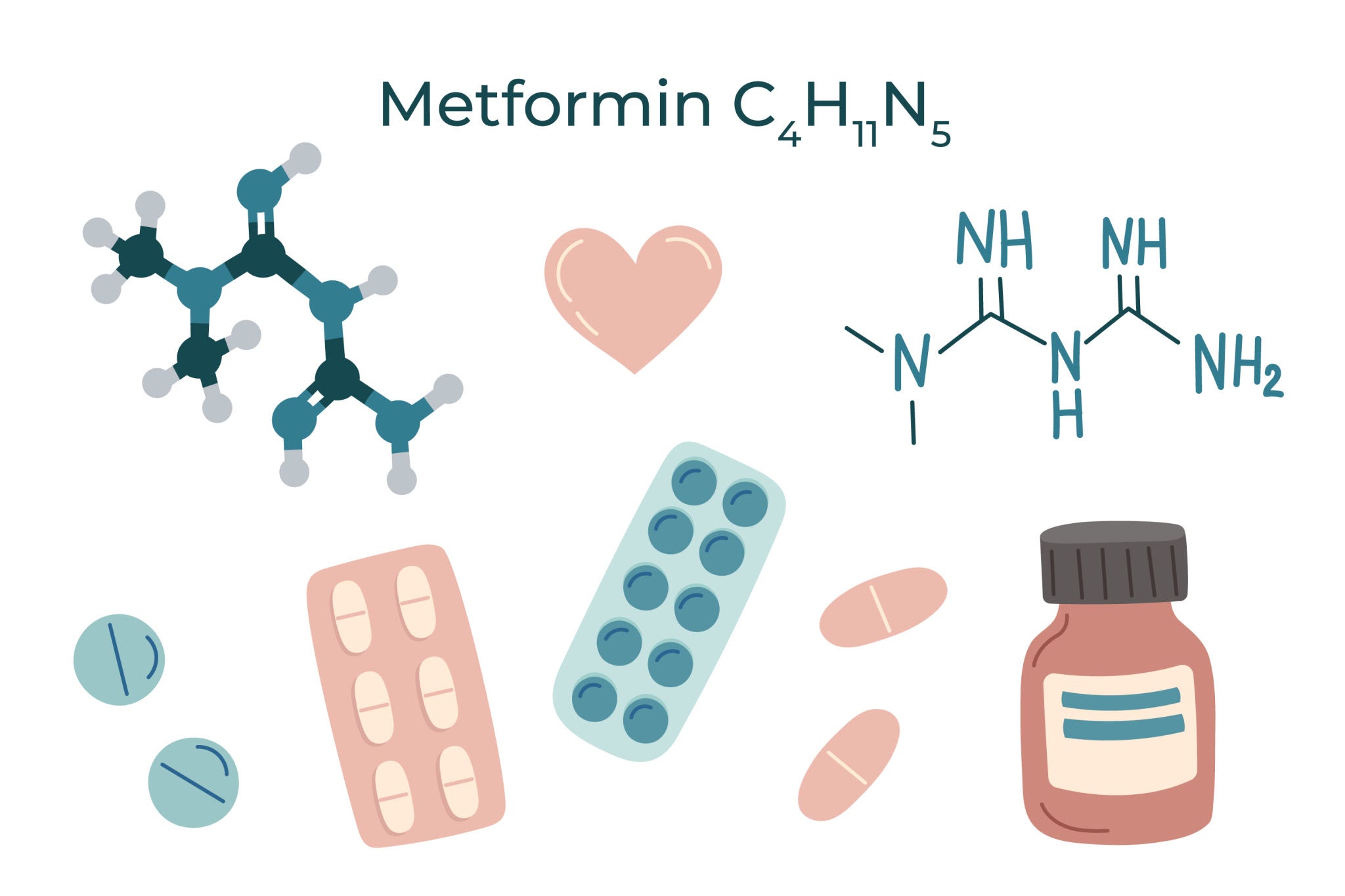
Originally approved decades ago to treat type 2 diabetes, this everyday, low-cost prescription pill has quietly become the poster child of the longevity movement. Researchers, gerontologists, and functional medicine doctors are taking a fresh look at Metformin—not just as a way to manage blood sugar, but as a tool to slow down the biological aging process itself.
Here is a straightforward guide to what Metformin is, how it works in the body, why the scientific community is so excited about it, and what you should consider before talking to your doctor.
What Is Metformin?
Metformin has a surprisingly long history. Derived originally from the French lilac (Galega officinalis)—a plant used in folk medicine for centuries—Metformin was synthesized in the 1920s and approved for treating type 2 diabetes in Europe in the 1950s and in the U.S. in 1995.
- Primary Function: It lowers blood sugar levels by reducing the amount of glucose your liver produces and making your muscles more sensitive to insulin.
- Safety Record: Unlike many newer pharmaceuticals, Metformin has a 70-year safety track record in millions of people worldwide.
- Accessibility: It is generic, extremely inexpensive (often just a few dollars a month), and listed on the World Health Organization’s List of Essential Medicines.
Why Longevity Researchers Are Excited
How did a humble blood sugar pill become a key candidate for extending human healthspan?
It started with a surprising discovery in large population studies: diabetic patients taking Metformin often lived longer and had lower rates of heart disease and cancer than non-diabetic people who weren’t taking the drug.
In simple terms, Metformin appears to trick your cells into thinking they are experiencing caloric restriction (fasting) without you having to skip a single meal.
The 4 Main Cellular “Superpowers” of Metformin
- Fires up AMPK (Your Cell’s Fuel Gauge): Metformin activates an enzyme called AMPK (AMP-activated protein kinase). AMPK senses when cellular energy is low and signals the body to burn fat and repair cells rather than store extra energy.
- Turns Down mTOR (The Growth Switch): By activating AMPK, Metformin dials down a pathway called mTOR. While mTOR is great for building muscle in your 20s, overactive mTOR in older age is tied to cellular damage and tumor growth.
- Triggers Autophagy (Cellular Housecleaning): Metformin encourages autophagy—the process where your body sweeps out broken, aging cell components and recycles them into clean energy.
- Cools Down “Inflammaging”: Chronic, low-grade inflammation naturally rises as we age (often dubbed “inflammaging”). Metformin reduces inflammatory signaling molecules across the body.
Healthspan vs. Lifespan: Lifespan is how many years you live; healthspan is how many of those years you live free from chronic disease and physical decline. Metformin’s real promise isn’t just adding extra years to your life—it’s adding vibrant life to your years.
The TAME Trial: Making History in Aging Research
Right now, the U.S. Food and Drug Administration (FDA) approves drugs only to treat specific diseases (like diabetes, hypertension, or arthritis)—it does not recognize aging itself as a treatable condition.
That is why leading scientists at the American Federation for Aging Research (AFAR) launched the TAME Trial (Targeting Aging with Metformin).
- The Goal: Test Metformin in over 3,000 non-diabetic adults aged 65 to 79 across multiple medical centers.
- The Metric: Rather than looking at just one disease, researchers are tracking the time it takes for participants to develop any major age-related chronic condition (heart attack, stroke, cancer, or cognitive decline).
- The Significance: If successful, TAME could prove that a single therapeutic intervention can delay multiple diseases of aging at once—fundamentally changing how medicine approaches growing older.
Potential Benefits Beyond Blood Sugar
While we await definitive clinical trial outcomes, observational human studies and animal trials show Metformin may protect against several common age-related challenges:
- Cardiovascular Support: Helps improve lipid profiles, protects blood vessel linings, and reduces systemic vascular stiffness.
- Cognitive Function: Studies suggest lower rates of dementia and mild cognitive impairment in long-term Metformin users, likely by curbing brain inflammation and insulin resistance.
- Weight & Metabolic Management: Can assist with modest weight loss and visceral fat reduction by improving insulin sensitivity.
- Cancer Risk: Large epidemiological reviews show a reduced incidence of certain common cancers (including colon, breast, and prostate) in Metformin users.
What to Watch Out For
Metformin is generally safe and well-tolerated, but it isn’t a magic pill without trade-offs. Here is what every senior adult should know:
- Gastrointestinal Upset: The most common side effect is digestive discomfort (nausea, gas, or loose stools), especially when first starting. Taking an extended-release (ER) version with meals usually minimizes this.
- Vitamin B12 Depletion: Long-term Metformin use can reduce Vitamin B12 absorption in the gut. If you take Metformin, periodic B12 blood tests and supplementation are essential to protect your nerves and energy levels.
- Blunting Resistance Training Benefits: Some research indicates Metformin might slightly dampen muscle growth gains from heavy resistance exercise, because both target similar metabolic pathways.
- Kidney Health: Metformin is cleared through the kidneys. People with significantly reduced kidney function (low eGFR) should not take it due to a rare risk of lactic acidosis (a dangerous build-up of acid in the bloodstream).
Questions to Ask Your Doctor
Because aging is not yet an official FDA disease indication, taking Metformin for anti-aging purposes in non-diabetic adults is considered “off-label” prescription use.
If you are curious whether Metformin makes sense for your personal longevity toolkit, bring these specific questions to your next wellness visit:
- “Based on my kidney function (eGFR) and bloodwork, am I a safe candidate for Metformin?”
- “Given my current fasting glucose and HbA1c levels, could I benefit from insulin-sensitizing therapy?”
- “If we try a low-dose extended-release Metformin, should we also monitor my B12 levels regularly?”
- “How might Metformin interact with my current exercise routine or medications?”
Metformin represents an exciting bridge between conventional medicine and modern longevity science—offering an affordable, well-understood tool to help support cellular resilience as we age.
Interested in more practical longevity guidance? Explore the Library for more evidence-based articles designed to help you live well and live long.